Date Published: April 1, 2025
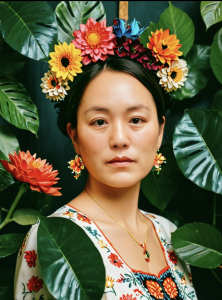
In my early 20s, I believed that staying in a painful relationship was a form of strength. I thought endurance meant loyalty, and I equated the ability to tolerate mistreatment with resilience. I admired women like Frida Kahlo — not just for her art and creativity, but because she seemed to embody the archetype of the woman who loved deeply and suffered gracefully.
But now, in my 40s, I see it all differently.
After living life, going through marriages, heartbreaks, emotional betrayals, and the slow unraveling of relationships that looked fine from the outside but were deeply unfulfilling, I’ve learned something that younger me couldn’t grasp:
Staying with someone who doesn’t treat you well is not strength.
It’s fear.
Why We Romanticize Pain
When we’re young, we’re told stories — in films, novels, and yes, even in history — about women who endure. We’re taught that “real love” is messy, painful, and sacrificial. That loyalty means sticking it out no matter what. That being the woman who stays, even when she’s being slowly eroded by neglect or mistreatment, makes you noble.
But in reality, that narrative often serves to normalize dysfunction.
And it keeps us stuck.
What Strength Really Looks Like
Now, I believe the real strength is this:
– Walking away from someone you love when they are incapable of loving you in a healthy way.
– Saying no to a relationship that drains you, even if it offers comfort or familiarity.
– Choosing the painful unknown over the predictable hurt.
Because leaving is hard.
It’s gut-wrenching.
It forces you to face parts of yourself you’ve been avoiding — your loneliness, your fear of rejection, your doubts about your worth.
It requires you to grow.
And growth is always harder than suffering.
Because suffering can become a routine. Growth demands action.
Self-Love Isn’t Passive
A woman who truly loves herself doesn’t stay with someone who disrespects her, cheats on her, belittles her, or is emotionally unavailable. She doesn’t confuse familiarity with love. She doesn’t tolerate abuse in the name of compassion.
Loving yourself means protecting your peace.
It means setting boundaries, not just with others — but with your own unhealthy patterns.
I Was That Woman
I say all of this not from a place of judgment, but from experience.
I’ve stayed too long.
I’ve married men who didn’t treat me the way I deserved — men who were absent, avoidant, or emotionally unsafe. I endured far too much.
Not because I was strong — but because I was afraid.
Afraid of starting over.
Afraid of disappointing people.
Afraid of being alone.
But I’ve learned that leaving isn’t failure.
It’s self-respect.
We Grow When We Stop Enduring
I don’t believe that suffering makes you stronger.
What makes you stronger is healing.
What makes you stronger is telling the truth about your life.
What makes you stronger is knowing that you’re worthy of something better — and being brave enough to go after it.
So when I look at stories like Frida Kahlo and Diego Rivera now, I don’t see tragic romance. I see a woman who poured her brilliance into her art while tolerating heartbreak she didn’t deserve.
And I wish she’d had someone to tell her that love shouldn’t hurt that way.
Final Thought
Strength isn’t how much you can take.
It’s knowing when to stop taking it.
It’s not suffering — it’s choosing something healthier, even if it’s terrifying.
And if you’re standing at that crossroads right now, wondering whether to leave something that’s hurting you?
Know this:
You don’t need to be anyone’s martyr.
You only need to be your own protector.
And walking away might be the most courageous thing you ever do.